Used cars
Pre-Purchase Inspection at the Seller: Checklist and Cost
· 13 min read · Mobile Mech LLC
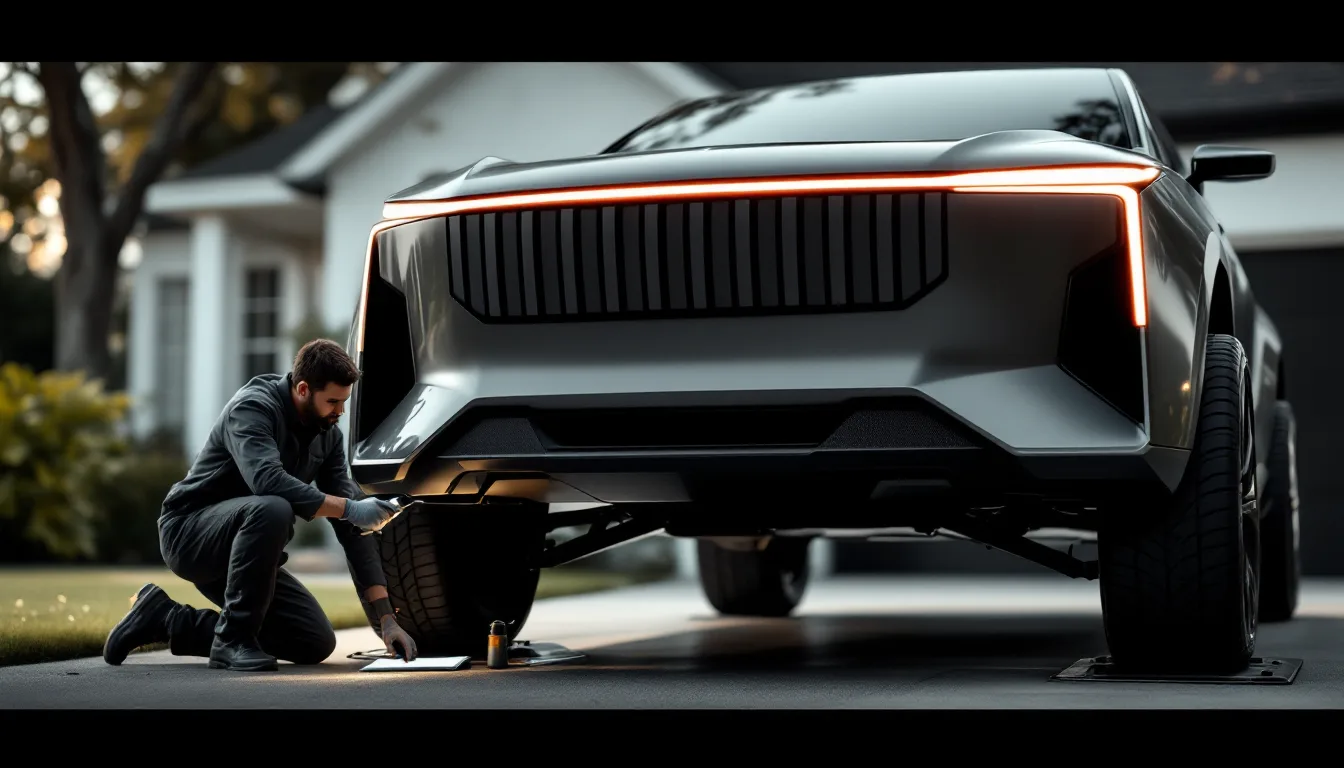
Why inspect a used car at the seller's location before paying?
A pre-purchase inspection at the seller's driveway or dealer lot is the one step in buying a used car that most Dallas buyers skip, and they skip it for logistics rather than cost: the seller is in Frisco, the shop is in east Dallas, and nobody wants to arrange the drive. A mobile inspection removes the logistics. The technician meets the vehicle where it is listed, runs a full-module scan, checks the body with a paint gauge, puts the vehicle on stands for the underside, measures the brakes and tires, drives it, and sends a photo report with repair ranges and a buy, negotiate or walk recommendation to your phone within about ninety minutes. It costs $129–$299 in Dallas-Fort Worth with the trip included, and it is independent: the technician works for you, not for the sale. This guide is the checklist the inspection follows and the findings that decide the recommendation.
What does the law expect you to check, and what does it not protect you from?
Texas treats private used-car sales as between the parties. The Texas Department of Motor Vehicles explains the title transfer, the odometer disclosure and the buyer's obligation to apply for title within 30 days, and the Texas Comptroller explains the motor vehicle sales tax due at that transfer. Neither protects you from buying a vehicle with a bent frame. A private sale in Texas is as-is unless the seller writes otherwise, and the time to find the problem is before the title changes hands.
Dealer sales carry a little more structure. The Federal Trade Commission's guide to buying a used car from a dealer describes the Buyers Guide window sticker, which states whether the vehicle is sold as-is or with a warranty, and the FTC's advice to buyers includes having the vehicle inspected by an independent mechanic before purchase. A dealer that advertises a vehicle as inspected has inspected it for the dealer; the report you want is the one that answers to you. The Buyers Guide itself makes the point in its own words, telling the buyer to "ask the dealer if your mechanic can inspect the vehicle on or off the lot," which is the arrangement a mobile inspection is built for.
What no law and no history report catches is the thing that happened last week. A code cleared the morning of the showing, a panel repainted after a parking-lot hit that was never claimed, a flood that was dried out rather than reported. Those are found at the vehicle or not at all.
What does the full-module scan reveal first?
The scan comes first because it is the part a seller can defeat and the part that reveals the attempt. The brand-level tool reads every control unit on the vehicle, not only the engine controller a parts-store reader sees: ABS, airbag, transmission, body, climate, driver assistance, and on European vehicles the stored service history, the battery registration and the mileage recorded in several modules.
The readiness monitors are the tell. Clearing codes resets every emissions monitor to not ready, and they complete again only after a specific drive cycle. A vehicle at a showing with all monitors incomplete has had its memory erased recently, and the technician records that and asks for a longer road test so the monitors can run and the hidden fault can set its code again. Texas still runs the emissions inspection in the 17 counties that include Dallas, Collin, Denton, Tarrant and Rockwall, for gasoline vehicles 2 through 24 years old, according to the Texas Department of Public Safety, and a vehicle with incomplete monitors will not pass it, which matters the week after you buy.
The module mileage comparison is the second tell. Many engine controllers, transmission modules and instrument clusters log mileage separately; a cluster that shows 80,000 miles on a vehicle whose transmission module has logged 140,000 is a rollback, and the report says walk. The stored fault history is the third: a vehicle with repeated transmission codes that were cleared every few thousand miles has a transmission problem whether or not the light is on today.
What does the technician look for under the hood and underneath?
Under the hood the technician starts cold if the seller allows it, because a cold start shows the rattle, the smoke and the slow crank that a warm engine hides. Fluids are checked for level, condition and contamination: oil for coolant or fuel, coolant for oil or combustion gases with a block tester, transmission fluid for burning and debris, brake fluid for moisture. Belts, hoses and mounts are inspected, the cooling system is pressure-tested, and the battery and charging system are load-tested so a dying battery is on the report rather than on your first morning.
Underneath, with one end on rated stands, the inspection covers the leaks and the structure. Oil, coolant and transmission leaks are traced to their source. The exhaust is checked for patches and the catalytic converter for signs of replacement or theft. Suspension bushings, ball joints, tie-rod ends and CV boots are checked for play and tears. Then the structure: frame rails and subframes for bends, kinks, fresh undercoating and non-factory welds, the floor pans for rust and silt, and the rocker panels and pinch welds for the crush marks that a collision repair or a careless lift leaves.
Flood is the Texas-specific check. Dallas floods in the spring, and flood vehicles reach the used market within months with shampooed carpets and a new air freshener. The signs are where the water sat: silt in the seat tracks and under the carpet, corrosion on the seat bolts and the connectors under the dash, a water line inside the spare-tire well, rust on unpainted brackets that should be clean, and modules with corroded pins. Any of those is a walk-away finding, because the electrical problems a flood leaves appear for years.
How does a paint gauge find what the photos never show?
A paint thickness gauge measures the coating on each panel in microns. Factory paint reads in a narrow band, typically a little over 100 microns on most vehicles; a repainted panel reads thicker, and a panel with filler under the paint reads thicker still, often several times the factory figure. The technician gauges every panel, roof included, and the readings go on the report by panel.
The gauge is read alongside the panel gaps, the fasteners and the glass. Hood and fender bolts that show tool marks have been removed; a hood gap that is wider on one side than the other has been realigned; headlamps that do not match in clarity or date code have been replaced one at a time; a windshield or a side window with a date code newer than the vehicle was broken. None of those is a reason to walk on its own, and a well-repaired fender is not a problem. A repainted quarter panel with a bent rail behind it, found underneath, is.
Tires tell their own story. Date codes show whether the tires are older than they look, and wear patterns show alignment neglect, overloading or a bent component. Tires at the wear bars are a negotiation item with a known cost; a new tire on one corner of a vehicle with three old ones is a question for the seller.
What does the road test add that a driveway cannot?
Noises, shifting, braking and the way the vehicle tracks. The technician drives the roads the seller drives: cold idle, acceleration through every gear, braking from speed for pulling and shudder, steering on center for play and wander, bumps for suspension noises, and a long enough run to get the transmission fluid hot, because a transmission that slips at the top of third once warm shifts perfectly in the cold demonstration the seller gives. Cruise control, driver-assist features, climate control and every switch in the cabin are checked on the drive.
On a vehicle with a recently cleared memory the drive is extended so the monitors can complete and any stored fault can return. On a truck with a towing history the drive includes a hill if there is one nearby, because a weak transmission shows under load first. The road test is where the technician decides whether a noise is a loose heat shield or a failing wheel bearing, and the report says which.
Which vehicles need the longer inspection?
Any vehicle whose common failures cost thousands and hide well. European sedans and SUVs lead the list: air suspension that holds height for a showing and sags overnight, turbocharged engines whose timing chains stretch quietly, electronics that store faults in modules a generic reader never sees. On a BMW, Mercedes-Benz, Audi or Porsche the technician uses the brand-level tool to read the service history the vehicle stores, the battery registration date, the stored fault history and the mileage recorded by several modules; an odometer that was rolled back rarely rolls back every module.
Diesel pickups are the second group. The emissions system on a modern diesel is the most expensive thing on the truck after the engine, and a neglected one shows in the diesel exhaust fluid and particulate filter status, the regeneration history and the injector balance rates the tool reads. Oil is checked for fuel dilution, which signals injector or regeneration problems, and the truck is driven under load.
The third group is anything that may have towed or worked. A hitch receiver with wear, transmission fluid that smells burnt, a rear differential that seeps, frame rails with stress marks near the hitch, and a bed with the scars of a commercial life all change the recommendation. Fleet-retired vehicles and former rentals are flagged by their history and inspected with that in mind. The longer inspection is priced at the top of the range because it takes longer, and the report for one of these vehicles is usually the longest the technician writes.
Which findings mean buy, negotiate or walk?
The report ends with one of three recommendations, and the findings sort themselves into those three groups. The table shows the common ones with the typical Dallas-Fort Worth repair ranges the report attaches, so the price conversation starts from numbers.
| Finding | What it usually means | Recommendation | Typical repair range if you proceed |
|---|---|---|---|
| Tires at the wear bars | Deferred maintenance | Negotiate | Tire shop pricing by size |
| Rotors at minimum, pads thin | Deferred maintenance | Negotiate | $320–$620 per axle at a mobile visit |
| Battery at end of life | Three or four Texas summers | Negotiate | $180–$620 installed, registered where required |
| Timing cover or valve cover seep | Aging gaskets | Negotiate | $250–$700 depending on engine |
| Monitors incomplete, no codes yet | Memory cleared before the showing | Negotiate only after an extended drive sets the fault, otherwise walk | Depends on the fault that returns |
| One repainted panel, structure sound | Minor collision repair | Negotiate | None required |
| Transmission slips once warm | Internal wear or a failing solenoid | Walk | Shop repair, often thousands |
| Combustion gases in the coolant | Head gasket | Walk | Shop repair, often thousands |
| Frame or subframe bent or welded | Structural collision damage | Walk | Not reliably repairable |
| Silt under the carpet, corroded connectors | Flood | Walk | Years of electrical faults |
| Module mileage disagrees with the odometer | Rollback | Walk | Fraud; report it |
The negotiate items add up. Tires, brakes, a battery and a seep on an otherwise sound vehicle are a thousand dollars or more the price should reflect, and a seller who sees the measurements on the report usually agrees. The walk items do not get better with money: a flood vehicle at any price is a flood vehicle, and a vehicle with a bent frame does not track or crash the way it was designed to.
What does the inspection cost, and how does it compare with the alternative?
The standard inspection on a domestic or Asian car, crossover or light truck runs $129–$229 with the trip included inside 30 miles of east Dallas; European, luxury, diesel and heavy-duty vehicles run $179–$299 because the brand-level scan and the extra checks take longer; a second vehicle at the same lot in the same visit runs $89–$149. The inspection service page lists what is included, and the pricing page puts it beside the other mobile ranges.
The alternative is not inspecting, and the cost of that is a distribution rather than a number. Most used vehicles are roughly what they appear to be; a minority carry a transmission, a head gasket, a frame or a flood that costs thousands or makes the vehicle unsellable. AAA's Your Driving Costs 2024 puts the average annual cost of owning and operating a new vehicle at $12,297, per AAA; a used vehicle is bought to spend less than that, and one bad purchase erases the saving for years. Against that, an inspection fee is small insurance on a $6,000 commuter and trivial on a $30,000 truck.
If you buy, the report doubles as the first-year maintenance plan. The negotiate items are quoted at the same published ranges used across this site, and the repairs can be booked at your address after the purchase; the services index lists them.
How do you book an inspection with a seller you have never met?
Send the listing, the seller's location and the times the seller has offered. The technician confirms an arrival window with you, and you tell the seller that a mechanic will look at the vehicle for about an hour and will need to start it cold, put it on stands and drive it. Most agree. A seller who will not allow it has saved you the fee, and the technician will tell you that rather than make the trip.
Have the seller leave the vehicle unwashed and unwarmed if possible, with the key available and the title or registration on hand so the VIN on the paperwork can be matched to the VIN on the dash and the door jamb. For a dealer, book the appointment with the sales desk and ask that the vehicle not be started before the technician arrives. For an out-of-town purchase, the report reaches you wherever you are, and the technician will take a call afterward to explain any line.
Before paying, run the VIN through NHTSA's recall lookup; an open recall is repaired at no charge by the dealer and is a question for the seller, not a reason to walk. Then read the report once more, decide which column it falls in, and make the offer with the numbers in hand. The Plano and Mesquite city pages describe the dealer rows where many of these inspections happen.
Where do these figures come from?
- Texas Department of Motor Vehicles, Buying or Selling a Vehicle: title transfer and odometer disclosure.
- Texas Comptroller, Motor Vehicle Taxes: sales tax at transfer.
- FTC, Buying a Used Car From a Dealer: the Buyers Guide and the independent inspection advice.
- Texas DPS, Emission Inspection Criteria: emissions counties and vehicle ages.
- AAA, Your Driving Costs 2024: the yearly ownership figure a bad used-car purchase erases.
- NHTSA recall lookup: an open recall on the vehicle you are buying is a question for the seller, found by VIN.
- Repair ranges: typical mobile-mechanic ranges across Dallas-Fort Worth from the service pages of this site; the figures on an individual report are written for that vehicle.