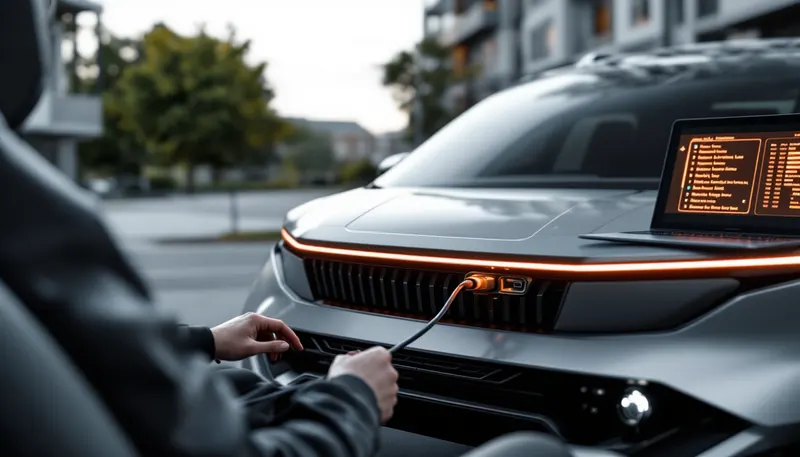
Mobile Diagnostics
Factory-tool fault diagnosis where the vehicle is parked
- Price range
- $99–$169
- Typical time
- 45–90 minutes at your location
Published ranges, call-out included where stated
Nine services done at your location, each with a published range for the metro, the time it takes at the vehicle and a page that says what happens in the driveway and what belongs at a shop.
Repairs done at your location, covered by a 2-year/24,000-mile warranty
Services
Factory-tool fault diagnosis where the vehicle is parked
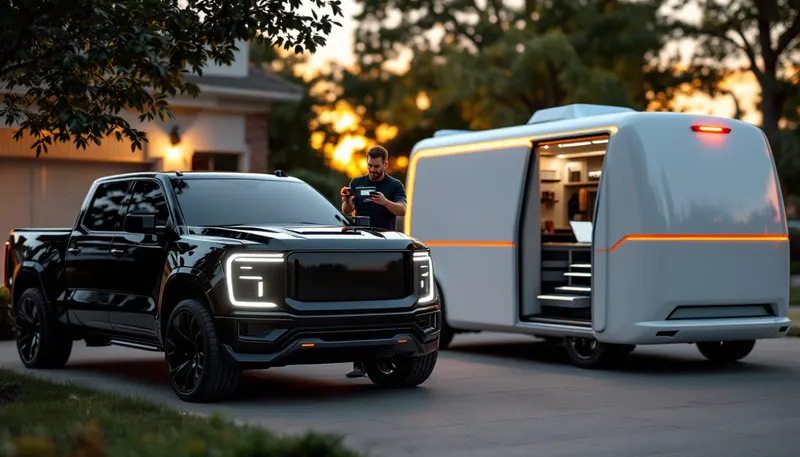
Clicks, cranks or dead: fixed where it stopped

Tested, fitted and registered in your driveway

Pads, rotors and calipers fitted in your driveway
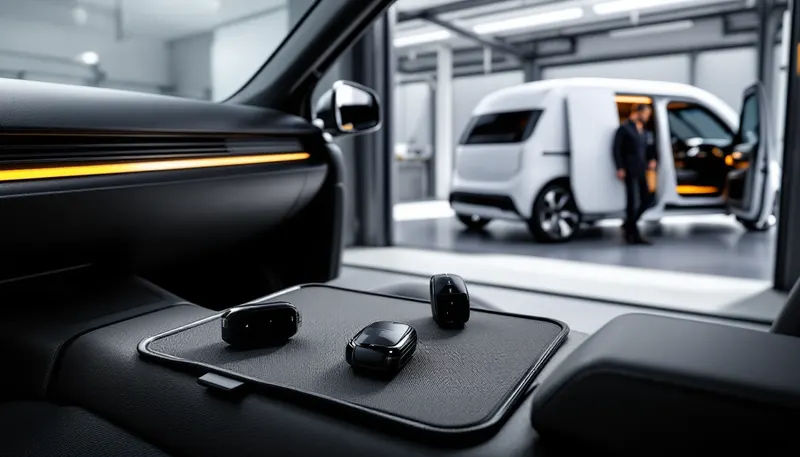
Keys and modules programmed where the vehicle sits
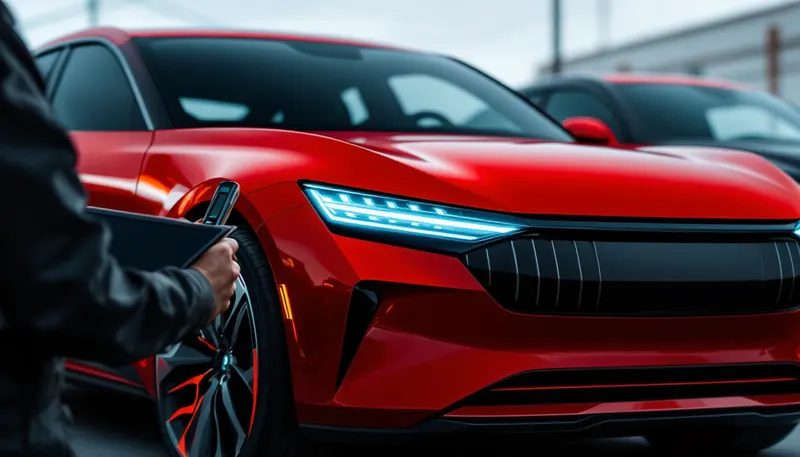
Independent used-car check before you pay

Vans and trucks serviced at your yard between shifts
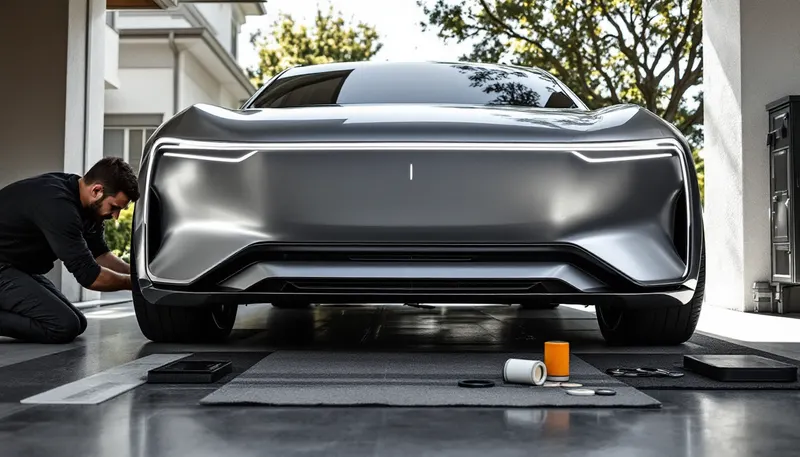
Correct-spec oil and filter, done in your driveway
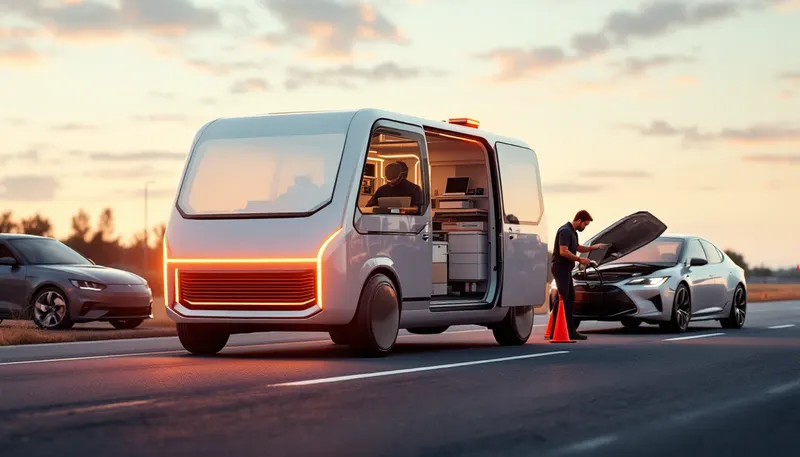
Fixed where it stopped, when it is safe to
They are the jobs a van can finish properly at a customer's address, and the ones Dallas-Fort Worth drivers most often need done without moving the vehicle. Diagnostics and no-start repair are the volume: a warning light or a vehicle that will not crank is the reason most people call a mobile mechanic for the first time. Batteries, brakes and oil changes are the maintenance that fits a driveway better than a waiting room.
Key and module programming is the differentiator. It is work most mobile mechanics cannot do and most owners assume needs a dealer, and the van carries the tools for it. Pre-purchase inspections at the seller's location, fleet visits at a yard and roadside repair are the three services that only make sense from a vehicle that travels.
Everything else, from cooling-system repairs to sensors and ignition parts, is quoted after a diagnosis at the same kind of range. The nine pages are where the ranges are published because they are stable enough to stand behind.
Inside the 30-mile radius around east Dallas, the published range for each service includes the trip. The call-out fee, listed on the pricing page as its own line, applies when a visit does not lead to a diagnosis or a repair, and it is credited when you approve work on site. Beyond the radius the travel is quoted separately before the van leaves.
Roadside calls carry a higher assessment figure than scheduled visits because they preempt the day's route and the location is rarely convenient; that figure is also credited to the repair that follows. Fleet visits of three or more vehicles include the trip because the van is already there for the morning.
None of this is hidden in the invoice. The estimate you approve lists the diagnosis or assessment, the trip where one applies, the parts by brand and the labor, and the invoice follows it line for line.
A battery and charging test, because a weak battery on a hot day imitates faults across the vehicle and because a battery about to fail is worth knowing about before it strands you. A look at the obvious while the technician is under the hood: belts, hoses, fluid levels, visible leaks, tire pressures. And a written record of what was done and found, sent to your phone, with any item that is approaching a limit noted with a range so the next decision starts from numbers.
What no visit includes is a part replaced on the strength of a code or a sound. The technician confirms the cause at the vehicle, writes the range, and waits for your reply.
If you know what the vehicle needs, book it: an oil change by mileage, a battery that tested weak at a parts store, brakes that are grinding, a spare key, an inspection on a vehicle you are buying. The van arrives with the parts and the job is done in one visit.
If the vehicle has a warning light, will not start, runs badly or is doing something you cannot name, book the diagnosis. The $99–$169 visit confirms the cause, and the repair range follows from it. Booking a part blind for a symptom means guessing, and a wrong guess costs more than the diagnosis would have.
If both apply, say so. A diagnosis and an oil change in the same visit is common, and the trip is made once.
Questions
No. They are ranges typical of mobile work across Dallas-Fort Worth. The written range for your specific vehicle, sent after the diagnosis or when you book a known job, is the figure to hold the technician to, and it is not exceeded without a new approval.
The labor rate is the same. European lines sit higher in some ranges because the brand-level tool session, the registration or coding step and the parts cost more; a trunk-mounted AGM with registration is more work than a hood battery. Each page shows the European line separately.
Yes, and it is the efficient way to use the trip. Oil and brakes, a battery and a diagnosis, two vehicles at one address: say so when you book so the van is loaded and the window is long enough.
Diagnostics 45–90 minutes, a battery 30–60, an oil change 30–45, brakes 90 minutes per axle, keys 45 minutes to two hours, an inspection 60–90 minutes. The estimate states the expected time at the vehicle before you approve it.
Not sure what the vehicle needs?
Nine services done at your location, each with a published range for the metro, the time it takes at the vehicle and a page that says what happens in the driveway and what belongs at a shop.