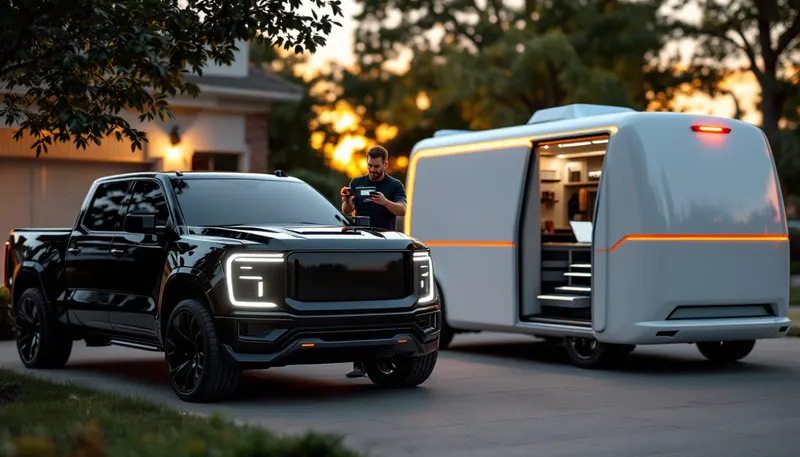
No-Start and Will-Not-Start Repair
Clicks, cranks or dead: fixed where it stopped
- Price range
- $99–$1,100
- Typical time
- 1–3 hours at the vehicle
$99–$169 · 45–90 minutes at your location
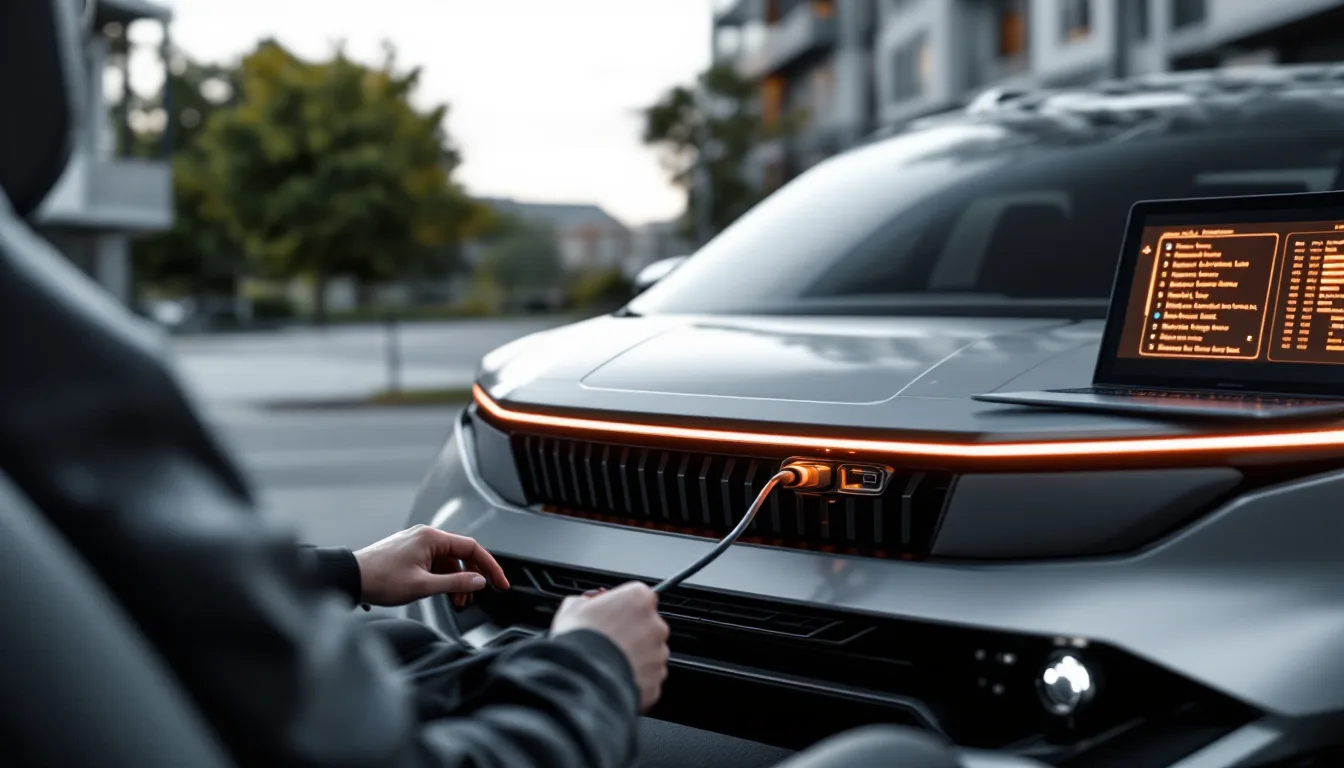
A technician with the brand-level scan tool reads the fault where the vehicle is parked, tests the battery and charging system, and sends you a written range before anything is replaced.
Repairs done at your location, covered by a 2-year/24,000-mile warranty
Symptoms
Problem
Check engine light with a misfire code
Likely cause
Ignition coil, spark plug, injector or a vacuum leak on that cylinder
The fix
Cylinder isolated with live data, the failed part swapped from van stock
Problem
ABS and traction lights together
Likely cause
Wheel speed sensor, tone ring or a chafed harness at one corner
The fix
Sensor data compared across all four wheels, the bad corner repaired
Problem
Battery light while driving, then stalling
Likely cause
Alternator output low, belt slipping or a corroded main cable
The fix
Charging test under load; alternator, belt or cable replaced at your address
Problem
Codes return a day after being cleared
Likely cause
The code was cleared, the fault was never found
The fix
Freeze-frame data read before clearing, then the condition recreated on a road test
Problem
Intermittent warning that is gone when the vehicle reaches a shop
Likely cause
Heat-soaked connector, failing ground or a loose battery terminal
The fix
Diagnosed at the vehicle, in the conditions where it happens, not after a tow
The visit starts before the van rolls. You send the year, make, model and mileage, the warning that is on, and where the vehicle sits: driveway, apartment lot, office garage, the shoulder of a frontage road. That tells the technician which scan tool and which parts to load and whether the location is safe to work in. The arrival window comes back by text and is confirmed again when the van is on the way.
On site the first ten minutes are the same every time. Battery voltage, cranking draw and alternator output are measured under load, because a tired battery on a Texas summer afternoon throws codes in modules that have nothing wrong with them. Then the brand-level tool goes on the diagnostic port and every control unit is read: engine, transmission, ABS, body, airbag, climate, and on newer vehicles the gateway and driver-assist modules.
The code is the starting point, not the answer. Freeze-frame data shows what the vehicle was doing when the fault set, live data shows what it is doing now, and the physical check follows from there: a smoke test for a vacuum leak, a wiggle test on a harness, a resistance check on a sensor. When the symptom only shows up under load or at speed, the technician drives the vehicle from your address with the tool logging.
A code reader sold at a parts counter talks to the emissions-related engine controller and reads generic trouble codes. It cannot see the body module that controls your door locks, the ABS module that holds the wheel-speed fault, or the airbag module that lit the dash. On most vehicles built after 2010 the engine controller is one of twenty or more modules, and the warning you are looking at may belong to any of them.
The tools carried in the van speak each manufacturer's own protocol: manufacturer-specific codes, live data from every module, bidirectional commands to actuate a solenoid or a fan and see it respond, and the ability to code a replacement part so the vehicle accepts it. That last ability matters on the road, because fitting a new battery, throttle body or body module and leaving it uncoded is how a mobile repair turns into a tow.
The tool also keeps the visit honest. When the live data says the sensor is reading correctly and the wiring is at fault, the estimate says wiring repair rather than a sensor you did not need. The written range names the cause the data supports and nothing else.
The van carries the parts that fail most on the vehicles Dallas-Fort Worth drives: batteries in the common group sizes, ignition coils and plugs for the high-volume engines, serpentine belts, thermostats, common sensors, bulbs, fuses and relays. When the diagnosis lands on one of those and you approve the written range, the repair is done while the technician is already at your address, and the call-out portion of the visit is credited toward it.
Faults that need a part ordered to your VIN, a fuel pump for a specific tank or a body module that must be sourced through a dealer parts counter, are quoted with the part lead time and a second visit. The second visit is scheduled for the day the part arrives, and the written range you approved does not move because the work was split into two trips.
A few jobs do not belong in a driveway and the estimate says so: internal transmission work, a head gasket, anything that needs a lift for hours or a press. For those the technician tells you what the fault is, what the repair would cost at a shop, and whether the vehicle is safe to drive there, which is a cheaper way to learn that than paying a shop for the diagnosis and the tow.
Leave the vehicle where it failed if it is safe there. Moving it, jump-starting it or disconnecting the battery can erase the freeze-frame data that tells the technician what happened, and a vehicle that has been sitting an hour behaves differently from one that just stalled. If it must move, note the time, the temperature and what the dash showed first.
Clear a working space around the hood and the driver's door. Nothing elaborate: room to open the hood fully, to run a lead to the battery, and to set a scan tool on the seat. In an apartment lot or an office garage, check that the vehicle is not under a low clearance the hood cannot open beneath, and let the front desk know a service van is coming.
Have the key with you, not in another car on the way to Plano. On push-button vehicles the fob must be inside the cabin for the modules to wake and talk to the tool, and on vehicles with a second security key, that one may be needed for programming work that follows.
Domestic trucks and SUVs make up the largest share of calls: F-150, Silverado, Ram, Tahoe, Expedition, with the ignition, charging and sensor faults those engines develop past 100,000 miles. Toyota, Honda, Nissan, Hyundai and Kia sedans and crossovers are next, usually for check engine lights tied to evaporative systems, oxygen sensors and coils.
European vehicles, BMW, Mercedes-Benz, Audi and Volkswagen, are diagnosed with their own brand-level tools because a generic reader gets almost nothing from them beyond the engine. On those vehicles the common calls are battery and charging faults that cascade into dozens of stored codes, drivetrain messages after a low battery, and electrical faults in the body modules.
Hybrids and plug-ins are diagnosed on the 12-volt side and through their standard diagnostic port; high-voltage pack work is not done at a residence. Diesel pickups are covered for the common engine, glow plug, DEF and sensor faults, and the written findings say when an injector or emissions job is better done at a diesel shop.
Before the technician leaves you have a text or email with three things: what was found and how it was confirmed, what the repair involves, and a price range for parts and labor with a note on what pushes the figure up or down inside that range. The diagnostic fee you already paid is listed and, when you approve a repair, the trip portion is credited against it.
The range is honest where a single number would not be. A misfire that is a coil costs a fraction of a misfire that turns out to be a failed injector, and the technician cannot promise which until the test is done. The range is written after the test, so it is narrow, and the repair does not exceed its top without a new approval from you.
If you decline the repair, you keep the findings. Many customers take the written diagnosis to a shop that already has the vehicle's history or that holds a warranty on an earlier repair, and the diagnosis is written so that shop can act on it directly.
The published range is $99–$169, and it includes the trip to any address inside the 30-mile radius around east Dallas. The low end is a straightforward code read with a battery and charging test and a clear cause. The upper end covers an intermittent electrical fault that needs the harness traced, a road test with the tool logging, or a European vehicle whose module list takes longer to work through.
Visits beyond the radius, a second vehicle at the same address, and a return visit after parts arrive are quoted separately when you book, so the figure on the text is the figure on the invoice. Repairs that follow the diagnosis carry the 2-year/24,000-mile warranty on the parts fitted and the labor done.
The diagnosis itself needs no parts; it is labor, tooling and travel. When a repair follows, the van stocks original-equipment-quality parts from the suppliers that make them for the manufacturers, and the written range states which brand goes in. Where a genuine part from the dealer is the only correct choice, such as a body module coded to the VIN, the range says so and includes the lead time.
Two things move the diagnostic fee inside its range: how long the fault takes to confirm, and whether the vehicle needs a brand-specific tool session that runs longer than a generic one. Distance inside the radius does not change the price; distance beyond it is quoted before the van leaves.
Nothing is replaced on the strength of a code alone. If the technician cannot confirm the cause at the vehicle, the findings say what was ruled out and what the next step is, and you are not charged for a part that might have fixed it.


Pricing
| Service | Price range | Typical time |
|---|---|---|
| Mobile diagnostics, trip included inside the radius | $99–$169 | 45–90 minutes |
| Extended electrical fault trace, harness and grounds | $169–$289 | 1.5–3 hours |
| No-start diagnosis at the vehicle | $99–$169 | 45–90 minutes |
| Return visit once an ordered part arrives | $49–$89 | Credited toward the repair |
| Roadside assessment on a shoulder or lot | $69–$129 |
Typical Dallas-Fort Worth mobile-mechanic ranges, trip included inside 30 miles of 75228; the written figure for your vehicle is sent before any repair starts.
The offer
Risk reversal
Covered for 2 years parts and 2 years labor, up to 24,000 miles, nationwide
No deposit, no card online: the written range is approved before any part is fitted
Published range
$99–$169
45–90 minutes at your location
Questions
The diagnostic line stays on the invoice because the testing was done, but the trip portion of it is credited toward the repair you approve on site. The written range you receive shows both lines so there is no arithmetic to do later.
Yes, as long as the space allows the hood to open fully and the vehicle is not under a low overhang. Most Dallas apartment lots work fine; covered parking with a seven-foot clearance usually does too. Garages with a security gate need you to meet the van at the entrance.
You get the written diagnosis anyway, with the cause confirmed, the repair described and a realistic shop range for it. That document goes with you to whichever shop does the work, and most will accept it rather than charging their own diagnostic time.
The van carries brand-level diagnostic tools for the German makes that read every module, run guided tests and code replacement parts. They are what let a battery, a sensor or a module be fitted on site without the vehicle needing a dealer visit afterwards.
The van keeps these hours: Mon-Fri: 8:00 AM - 6:00 PM, Sat: 9:00 AM - 3:00 PM, Sun: Closed. Arrival windows are confirmed by text when you book; a vehicle that will not start or that is blocking a driveway is scheduled ahead of routine work, and the van tells you its real time when it leaves the previous job.
The light is cleared only after the cause is repaired or confirmed harmless; clearing it first destroys the data that explains it. If you need the light off for an emissions inspection, the technician explains which readiness monitors must complete on the road before the test will pass.
Related
Clicks, cranks or dead: fixed where it stopped

Tested, fitted and registered in your driveway
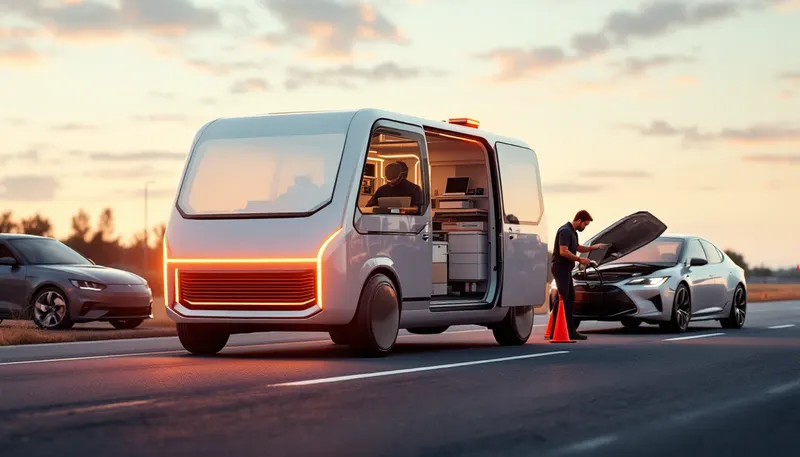
Fixed where it stopped, when it is safe to
Book Mobile Diagnostics at your location in Dallas
Check engine, ABS, airbag and charging-system diagnosis in your driveway, office lot or wherever the vehicle sits, with a brand-specific scan tool and a written range before any part is named.