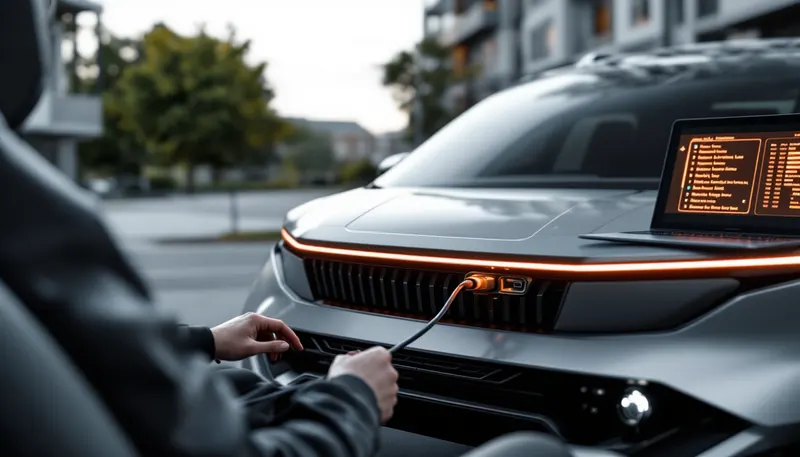
Mobile Diagnostics
Factory-tool fault diagnosis where the vehicle is parked
- Price range
- $99–$169
- Typical time
- 45–90 minutes at your location
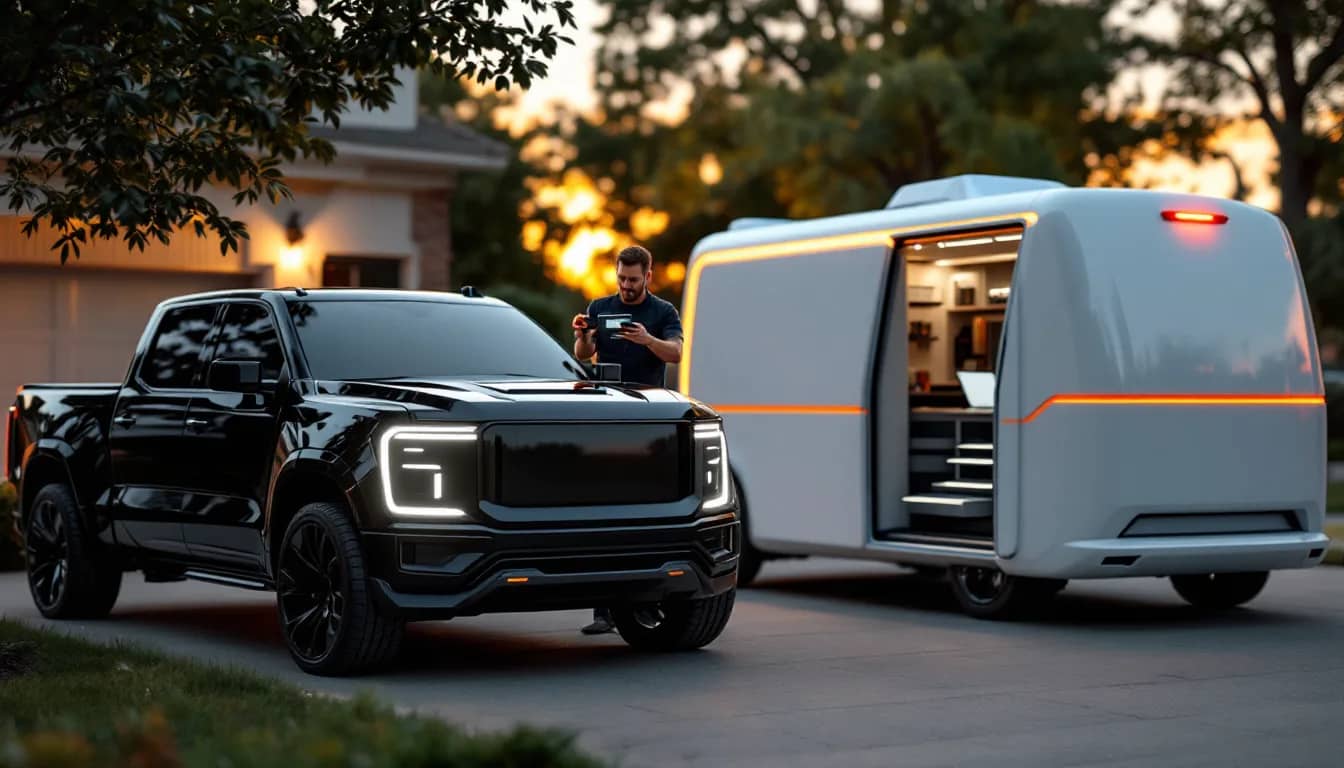
$99–$1,100 · 1–3 hours at the vehicle
Most no-starts are a battery, a starter, a cable or a fuel pump, and all four can be diagnosed and replaced in a driveway. The technician arrives with the test gear and the common parts so the tow is the exception, not the plan.
Repairs done at your location, covered by a 2-year/24,000-mile warranty
Symptoms
Problem
Fast clicking, dash lights dim
Likely cause
Battery discharged or failed, or corroded terminals dropping voltage
The fix
Load test; clean and tighten, or a new battery registered where required
Problem
One loud click, no crank, battery tests strong
Likely cause
Starter solenoid or motor failed, or the main cable has a bad crimp
The fix
Voltage drop across the starter circuit, then a starter replaced on site
Problem
Cranks and cranks, never fires
Likely cause
No fuel pressure, no spark or a crankshaft sensor the engine controller cannot see
The fix
Pressure and signal checks; pump, relay, coil or sensor replaced
Problem
Starts then stalls within seconds
Likely cause
Immobilizer rejecting the key, or an idle air or throttle fault
The fix
Security status read; key re-synced or throttle serviced
Problem
Nothing at all, no lights, no click
Likely cause
Dead battery, blown main fuse, failed ignition switch or a broken ground strap
The fix
Power path traced from the battery post; the break repaired
Problem
Started yesterday, dead again after a jump
Likely cause
Alternator not charging, or a parasitic drain emptying the battery overnight
The fix
Charging output under load, then a drain test by circuit
When you describe the no-start by text, the sound it makes is the most useful thing you can send. A rapid clicking is a starter solenoid trying to pull in on a battery that cannot hold voltage; the battery or the connections are the suspect. A single heavy click with bright dash lights means the battery is pushing current and the starter is refusing it; the starter or its cable is the suspect. Silence with a dead dash means the power path itself is broken somewhere between the battery post and the ignition switch.
A vehicle that cranks normally but never fires is a different problem altogether. The starter, battery and cables are doing their jobs; what is missing is fuel, spark or the crankshaft signal the engine controller needs to fire either one. That diagnosis takes gauges and live data rather than a voltmeter, and the parts that solve it, a fuel pump, a crank sensor, a coil, are the ones the van is least likely to carry for every vehicle, so the description you send decides what gets loaded.
A vehicle that starts and immediately stalls is usually the security system. The engine controller lets it fire, the immobilizer does not see a valid key, and it shuts the fuel off within two seconds. On many vehicles a flashing key or padlock symbol confirms it. That one is a programming job, not a mechanical one, and it is solved at the vehicle with the same tools used for key work.
The test order never changes because skipping a step is how the wrong part gets fitted. First the battery: open-circuit voltage, then a conductance test for state of health, then the voltage under cranking load. A battery that reads 12.4 volts at rest and collapses to 8 volts when the starter engages has told the whole story, and no starter is needed.
If the battery holds, the starter circuit is measured for voltage drop from the battery post to the starter stud and from the starter case to the battery negative. More than half a volt lost on either side is a cable, a crimp or a ground strap, and replacing the starter would have left the fault in place. Only when the cables pass does the starter itself get condemned.
For a crank-no-start the scan tool goes on first to see whether the engine controller is counting crankshaft revolutions. No RPM signal while cranking is a crank sensor or its wiring. With RPM present, the fuel pressure gauge and a spark tester split the remaining causes in a few minutes, and the live data for injector pulse and security status settles whether the controller is even trying to start the engine.
Batteries, terminals and cables are the bread and butter. The van carries the common group sizes in flooded and AGM types, the tools to register a new battery on vehicles that require it, and the terminal ends and ground straps that corrode through on trucks that have lived a decade in Texas humidity. A battery no-start is typically back on the road in under an hour from arrival.
Starters and alternators are replaced on site on most vehicles. The exceptions are engines where the starter sits under the intake manifold or where the alternator comes out from below with the vehicle on a lift; those are quoted honestly as shop jobs. Access on a full-size pickup in a driveway is usually fine; access on a low sedan on a sloped apartment lot sometimes is not, and the technician says so before starting.
Fuel pumps are a judgment call made at the vehicle. On trucks and SUVs with an accessible tank or a pump access panel under the rear seat, the pump is replaced on site. On vehicles where the tank must drop and the fuel level is high, the technician explains the options: a second visit with the tank run low, or a shop. Relays, fuses, crank sensors, coils and ignition switches are routine driveway work.
A jump from a running vehicle or a lithium pack is fine when the battery is simply flat. It goes wrong when the cables are connected backwards for even a second, which can take out the main fuse, the alternator diodes and on some vehicles the body control module, turning a $200 battery into a $1,500 electrical repair. It also goes wrong when the jump works and the real fault, a dying alternator, is driven on until the battery is drained again on the Tollway.
The other problem a jump hides is the voltage spike on modern vehicles. Modules that saw a brownout during the failed starts and a surge during the jump can store dozens of codes and, on some European vehicles, lock the transmission into a limp mode that needs the tool to reset. Diagnosing the no-start before jumping it keeps the data intact and keeps the repair to the one thing that failed.
If you already jumped it and it runs, do not switch it off. Drive to a safe spot and book the visit; the technician tests the charging system while it is running and replaces the battery or alternator before you lose the engine again.
Vehicles refuse their own keys more often than most drivers expect. A fob with a weak battery is not recognized on a push-button vehicle, a transponder chip cracked by a drop stops answering the ignition, a spare key cut at a hardware store was never programmed, and on some vehicles a low 12-volt battery corrupts the stored key data. All of these produce a no-start with a healthy engine and a flashing security symbol.
The van carries the programming equipment to read the immobilizer status, re-sync an existing key, program a replacement and, where a security module has lost its pairing after a battery event, restore it. That work is described on the key and module programming page, and when it is the cause of a no-start it is done in the same visit, so you are not paying for a diagnosis today and a locksmith tomorrow.
Steering-lock and ignition-switch failures sit between mechanical and electrical. A column lock that will not release on a push-button vehicle, or a worn switch that no longer makes contact in the start position, is confirmed with the tool and replaced on site where the part is available for the model.
The diagnosis is $99–$169 with the trip included inside the radius, and most no-starts end there plus a single part. A battery fitted on site runs $180–$520 depending on group size, flooded or AGM, and whether the vehicle needs registration. A starter is $350–$850 and an alternator $400–$900, with access and the part price for the engine setting the point inside the range. A fuel pump is the widest line at $450–$1,100 because the pump module price varies so much between a domestic truck and a European sedan.
When the no-start is a cable, a terminal, a relay or a key sync, the repair line is well under the battery figure, and the written range you receive before approval names the exact cause. The call-out portion is credited to the repair, and every part fitted is covered for 2 years parts and 2 years labor, up to 24,000 miles, nationwide.
A vehicle stopped in a live lane on LBJ or Central Expressway is a tow first and a repair second; nobody works under a hood with traffic passing at seventy. The same applies to a no-start caused by a timing belt that has snapped on an interference engine, an engine that hydrolocked after driving through high water in a Dallas storm, or a transmission that will not let the vehicle leave park. In each of those cases the mobile diagnosis is the cheapest way to confirm the problem before the vehicle is moved, and the findings tell the tow operator and the shop exactly what they are dealing with.
Everywhere else, a driveway, a lot, a quiet residential street, a shoulder with room to stand, the van gets the vehicle running or tells you in writing why it cannot, and that answer costs a fraction of a tow plus a shop diagnostic.
Batteries fitted on site are new, dated stock in the group size and type the vehicle calls for, with AGM used wherever the manufacturer specifies it. Starters and alternators are new or remanufactured units from the suppliers the manufacturers use, never the cheapest listing, because a no-start that returns in a month costs you a second morning. The written range names the brand and whether the unit is new or remanufactured.
Price inside each range is set by the vehicle: group size and chemistry for a battery, output rating and access for an alternator, and whether the fuel pump is a bare pump or a complete module with the level sender. Labor on a driveway job is the same hourly figure whether the vehicle is a Corolla or an X5; the difference is how long the vehicle makes the technician work for the part.
Replaced parts are left with you unless a core charge requires their return; the invoice shows the core line where one applies.


Pricing
| Service | Price range | Typical time |
|---|---|---|
| No-start diagnosis at the vehicle, trip included | $99–$169 | 45–90 minutes |
| Battery replaced on site, registered where required | $180–$520 | 30–60 minutes |
| Starter motor replaced at your location | $350–$850 | 1–2.5 hours |
| Alternator replaced at your location | $400–$900 | 1–2.5 hours |
| In-tank fuel pump or pump module | $450–$1,100 | 1.5–3 hours |
Ranges typical of mobile repair across Dallas-Fort Worth; part access, group size and the pump or starter the engine takes decide the figure, written for your vehicle before work starts.
The offer
Risk reversal
Covered for 2 years parts and 2 years labor, up to 24,000 miles, nationwide
No deposit, no card online: the written range is approved before any part is fitted
Published range
$99–$1,100
1–3 hours at the vehicle
Questions
Yes, if the garage door opens and there is room to open the hood and stand at the front of the vehicle. Running the engine for a charging test is done with the door open and the vehicle backed to the opening, or pushed onto the driveway if it is light enough.
If you are confident with the cable order and the vehicle is a simple one, a jump that works gets you moving. If there is any doubt, or the vehicle is European or a hybrid, leave it: a reversed jump can damage modules that cost far more than the visit, and the diagnosis is faster with the fault still present.
By measuring, not by listening. The battery is load-tested first; if it holds voltage under cranking, the voltage drop across the starter cables is measured, and only a starter that receives full voltage and does nothing is condemned. The readings are written on your estimate.
On most pickups and many SUVs, yes, through the bed or an access panel. On sedans where the tank must come down, it depends on fuel level and how the vehicle is parked; the technician confirms at the vehicle and quotes a second visit or a shop if the driveway is not workable.
Usually not. A flashing security symbol means the immobilizer is rejecting the key, which is a programming job done at the vehicle. The technician reads the security status, re-syncs or programs the key, and the engine starts without the vehicle moving.
The part fitted and the labor to fit it carry the 2-year/24,000-mile warranty, in full 2 years parts and 2 years labor, up to 24,000 miles, nationwide. A new fault in a different part, a drain from an accessory left on, or a battery killed by a dome light is a separate diagnosis, and the technician tells you which it is in writing.
Related
Factory-tool fault diagnosis where the vehicle is parked
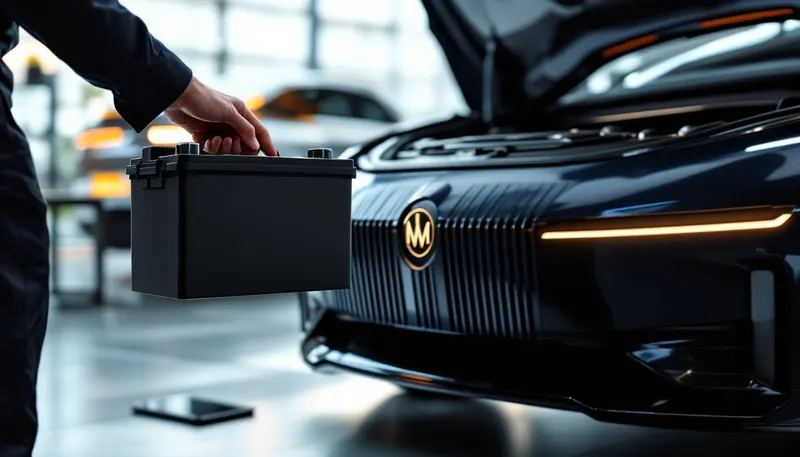
Tested, fitted and registered in your driveway

Keys and modules programmed where the vehicle sits

Fixed where it stopped, when it is safe to
Book No-Start and Will-Not-Start Repair at your location in Dallas
A vehicle that clicks, cranks without firing or does nothing at all is diagnosed and, in most cases, repaired where it sits: battery, starter, alternator, fuel delivery and ignition faults handled without a tow.