No-Start and Will-Not-Start Repair
Clicks, cranks or dead: fixed where it stopped
- Price range
- $99–$1,100
- Typical time
- 1–3 hours at the vehicle
$120–$650 · 45 minutes–2 hours at the vehicle
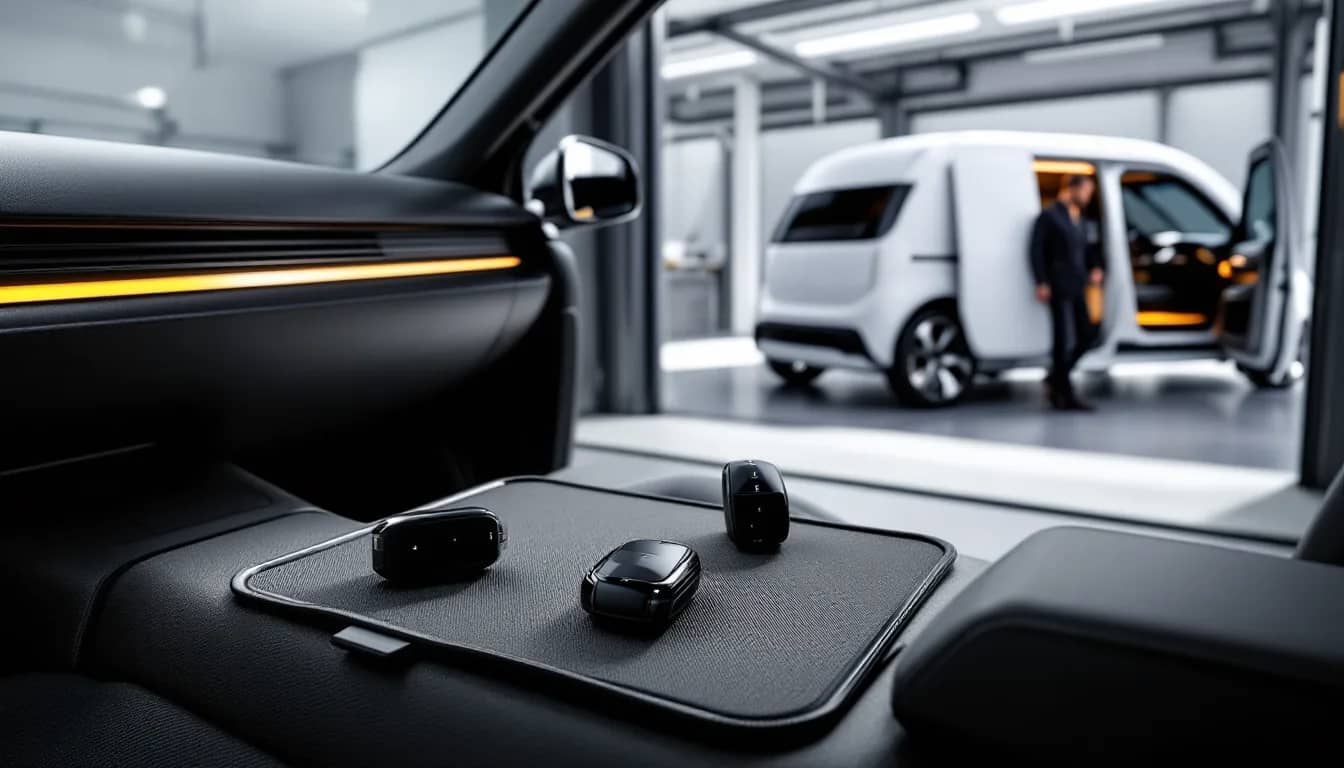
A spare key, a lost set, a fob that stopped working or a replacement module that the vehicle refuses are all programming jobs, and programming equipment fits in a van.
Repairs done at your location, covered by a 2-year/24,000-mile warranty
Symptoms
Problem
Security light flashes, engine starts and dies
Likely cause
Key transponder not recognized, or immobilizer data lost after a low battery
The fix
Security status read; key re-synced or reprogrammed at the vehicle
Problem
Spare key starts the engine but the remote does nothing
Likely cause
Remote portion never programmed, or fob battery flat
The fix
Fob battery, then remote programming through the tool
Problem
All keys lost, vehicle stuck in a garage
Likely cause
No key to clone; immobilizer must be accessed directly
The fix
New keys programmed through the diagnostic port or the security module
Problem
Used engine controller fitted, vehicle will not start
Likely cause
Module still paired to the donor vehicle's immobilizer
The fix
Module virginized or re-matched, then coded to the VIN
Problem
New body module, windows and lights act wrong
Likely cause
Module coded with the wrong options for the build
The fix
Options coded from the VIN, adaptations relearned
Every vehicle built since the late 1990s has an immobilizer. The key carries a transponder chip, the ignition or the push-button system reads it, and the immobilizer checks it against a list of authorized keys before telling the engine controller it may run. A key cut to the right profile but never added to that list turns the lock and does nothing else, or starts the engine for two seconds before the fuel is cut.
Adding a key to the list is programming, and it needs two things: a tool that can talk to the vehicle's security module in its own language, and on many makes a security code or the manufacturer's online authorization for that VIN. The van carries the first, and holds the registrations and accounts the second requires on the makes it serves. That is why the job can be done in a driveway rather than at a dealer.
The remote functions, lock, unlock, trunk, remote start, are separate from the transponder on most vehicles and programmed separately. A fob that starts the engine but will not lock the doors has had half the job done. Both halves are done and tested at the vehicle before the technician leaves.
The visit begins with ownership. The technician checks the registration or title against your identification before the tool is connected, because programming a key to someone else's vehicle is theft with extra steps, and a legitimate request has nothing to lose by the check. With that done, the tool reads the immobilizer, lists the keys currently authorized, and confirms the vehicle is ready to accept another.
If you supplied the key, it is checked for the right transponder type and, on bladed keys, cut to the vehicle's code from the existing key or the lock. If the van supplies it, it comes from stock for the common models or is ordered to the VIN for a second visit. The new key is then added through the tool, the remote functions are programmed, and both keys are tested to start the engine and operate the locks.
On vehicles that require an online session with the manufacturer, the technician runs that from the van over a mobile connection. The whole job on a common Ford, GM, Toyota, Honda, Nissan, Hyundai or Kia takes forty-five minutes to an hour; European makes and vehicles that require security data take longer and are priced at the upper end.
All-keys-lost is the job that most often ends in a tow to the dealer, and it is the one a mobile programmer saves the most on. Without an existing key to learn from, the tool must access the immobilizer directly: through the diagnostic port on vehicles that allow it, through the security module or the engine controller on vehicles that do not. The van carries the equipment and the licenses to do that on most domestic and Asian makes and a good share of the European ones.
The vehicle also needs a key that physically fits. For bladed keys the technician cuts to the code obtained from the VIN or decodes the door lock; for smart fobs the correct part is matched to the VIN and, for the common models, is in the van. Two keys are programmed whenever possible, because a vehicle with one key is back in this situation the next time it is dropped in a lake at Ray Hubbard.
Some vehicles and years are declined honestly: a few recent European platforms and certain high-security systems require a dealer's online pairing that a mobile tool cannot replicate. The technician tells you that when you send the year, make and model, before any trip is made, and tells you what the dealer process involves.
A control module, the engine controller, the body module, the ABS unit, the transmission controller, a gateway or an instrument cluster, is built generic and coded to the vehicle on the assembly line: which engine, which options, which market, and a pairing with the immobilizer so it cannot be stolen and used elsewhere. Fit a new or used module without that coding and the vehicle either refuses to start or behaves as though it were a different trim.
The van's tools perform that coding at the vehicle. A new module from the dealer parts counter is coded to the VIN and matched to the immobilizer. A used module from a donor vehicle is cleared of its old pairing where the make allows, then matched; on makes that do not allow it, the technician says so before you buy the used part, which is the right time to find out. After coding, the adaptations the module stores are relearned: throttle position, steering angle, transmission shift points, window limits, climate flap positions.
This is the work that turns a mobile mechanic into something more than a parts changer. A failed body module on a vehicle that will not start in a Richardson garage is a tow, a dealer diagnostic and a week without the vehicle, or it is one visit with the part ordered to the VIN and coded on the spot.
Ford and Lincoln, including the PATS system across the F-series, Explorer and Escape; GM across Chevrolet, GMC, Buick and Cadillac; Stellantis across Ram, Jeep, Dodge and Chrysler, with the security gateway unlock those vehicles require from the 2018 model year on; Toyota and Lexus, Honda and Acura, Nissan and Infiniti, Hyundai and Kia, Subaru and Mazda. Those cover the overwhelming majority of key calls in Dallas-Fort Worth.
BMW, Mini, Mercedes-Benz, Audi, Volkswagen and Porsche are programmed with their own brand-level tools, with the spare-key and module-coding work available on most model years and the all-keys-lost work available on many. The reply to your booking lists what is possible for the exact year and model, because the answer changes between generations on the German makes more than anywhere else.
Motorcycles, heavy trucks, agricultural equipment and most vehicles older than 1998 are outside the scope; the technician points you to the right specialist rather than making a trip that ends without a key.
Programming a spare key or fob you already have runs $120–$280 with the trip included; a key blank or smart fob supplied from the van adds $60–$350 depending on the vehicle. All-keys-lost recovery runs $250–$650 plus the keys, with the European makes and the vehicles that need an online security session at the top. Coding a replacement module runs $150–$350, and re-matching a used module where the make allows it runs $150–$300.
Every figure is a range because the same job on a 2012 Camry and a 2019 X5 is not the same amount of work. The written range for your exact vehicle is sent before the van leaves, and the keys, modules and labor are covered for 2 years parts and 2 years labor, up to 24,000 miles, nationwide.
A key job is a security job. Before any key is programmed, the technician sees a government photo ID and the vehicle's registration, title or insurance card in the same name, or a signed authorization from the owner for a vehicle being handled by a family member, a fleet manager or a dealer's lot staff. Rental and lease vehicles need the leasing company's authorization.
The check takes a minute and protects you as much as anyone else; it is the same standard a dealer applies, and a programmer who skips it is a programmer who would skip it for someone with your vehicle's VIN.
Keys and fobs come either from the van's stock for the common domestic and Asian models or are ordered to the VIN; genuine fobs are used where an aftermarket fob is known to pair unreliably or to lose range, and the written range states which it is. Replacement modules are ordered new to the VIN where the make requires a factory-fresh unit and sourced used only where the make allows re-matching and you have approved it in writing.
The figure inside the range is set by the make, the security generation and whether an online manufacturer session is required. A transponder key on an older Ford is the floor; a smart fob with all-keys-lost on a German vehicle is the ceiling. Cutting, programming and testing are included; a second visit for an ordered key is priced as a return trip.
Programming is done through the vehicle's own diagnostic systems with licensed tools, never by bypassing the immobilizer, and the invoice records the keys authorized before and after the visit.
Pricing
| Service | Price range | Typical time |
|---|---|---|
| Spare key or fob programmed, key supplied by you | $120–$280 | 45–75 minutes |
| Key blank or smart fob supplied from the van | $60–$350 | Added to programming |
| All-keys-lost recovery, plus keys | $250–$650 | 1–2 hours |
| Replacement module coded to the VIN | $150–$350 | 45–90 minutes |
| Used module re-matched where the make allows | $150–$300 | 45–90 minutes |
Typical Dallas-Fort Worth mobile ranges including the trip; make, security generation and any manufacturer online session set the figure, confirmed in writing for your VIN before the visit.
The offer
Risk reversal
Covered for 2 years parts and 2 years labor, up to 24,000 miles, nationwide
No deposit, no card online: the written range is approved before any part is fitted
Published range
$120–$650
45 minutes–2 hours at the vehicle
Questions
Usually, and the bigger saving is the trip you do not make. The dealer needs the vehicle on its lot, often for most of a day; the van programs the key in your driveway in under an hour on most makes. The published range lets you compare the dealer's quote line by line.
On most domestic and Asian vehicles and many European ones, yes, at the vehicle, without a tow. Send the year, make, model and VIN with your booking and the reply tells you whether your exact vehicle is one the van can handle and what it will cost.
Yes, if it is the correct part number and frequency for the vehicle and has not already been locked to another vehicle. Many online fobs are used and cannot be reprogrammed. Send the listing before buying and the technician will tell you whether it will work.
On some makes it can be re-matched to your immobilizer and coded to your VIN; on others it is permanently tied to the donor and will never start your vehicle. Ask before buying it. The reply names your make and year specifically.
A government photo ID and the registration, title or insurance card in the same name, or a signed authorization from the registered owner. Fleet and dealer vehicles need the company's authorization. No key is programmed without it.
Yes. The fault is diagnosed first: a flat fob battery, a failed antenna, a low vehicle battery that corrupted the pairing, or a fob that needs reprogramming. The fix follows the diagnosis, and most are done in the same visit.
Related
Clicks, cranks or dead: fixed where it stopped

Factory-tool fault diagnosis where the vehicle is parked

Tested, fitted and registered in your driveway
Book On-Site Key and Module Programming at your location in Dallas
Spare keys, all-keys-lost recovery, remote fobs and replacement control modules programmed to the vehicle where it sits, with the brand-level tools that read the immobilizer and code the new part.