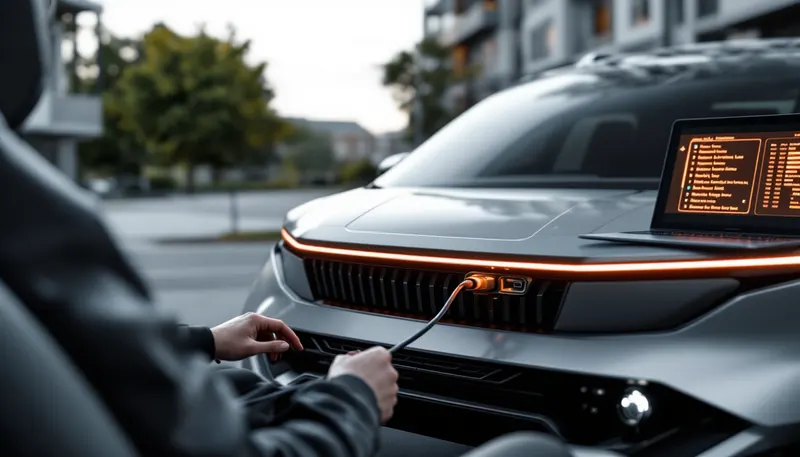
Mobile Diagnostics
Factory-tool fault diagnosis where the vehicle is parked
- Price range
- $99–$169
- Typical time
- 45–90 minutes at your location
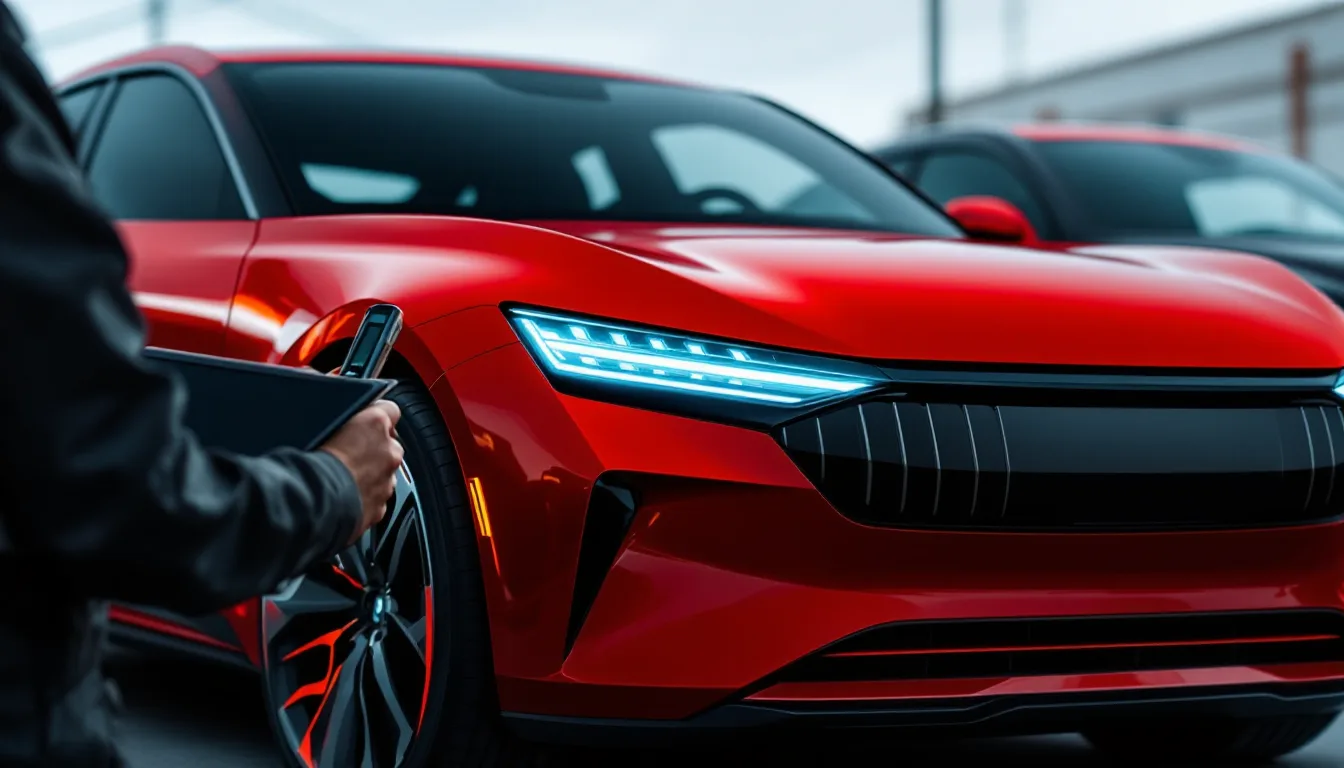
$129–$299 · 60–90 minutes at the seller's location
The vehicle does not have to go anywhere. The technician meets it where it is listed, inspects it the way a buyer's mechanic should, and sends you a photo report with repair ranges before you hand over a dollar.
Repairs done at your location, covered by a 2-year/24,000-mile warranty
Symptoms
Problem
Check engine light was on last week, off today
Likely cause
Codes cleared before the showing; readiness monitors incomplete
The fix
Monitor status read; the seller is asked to let the vehicle be driven until they set
Problem
Fresh paint on one quarter panel
Likely cause
Collision repair not on the history report
The fix
Paint gauge readings per panel, gaps and fasteners checked for disturbance
Problem
Transmission shifts late when warm
Likely cause
Worn clutches, old fluid or a solenoid fault
The fix
Live data on the road test; fluid condition noted; repair range given
Problem
Musty cabin, silt under the carpet
Likely cause
Flood history
The fix
Seat bolts, wiring, spare well and modules checked for silt and corrosion; walk recommended
Problem
Rotors lipped, tires worn inside
Likely cause
Deferred maintenance and alignment neglect
The fix
Measured and priced on the report as negotiation points
Because the vehicle is already there, the seller is already there, and the inspection is the one step in a used-vehicle purchase that most buyers skip for lack of logistics. Asking a private seller in Frisco to drive to a shop in east Dallas for an inspection is a request most will refuse, and a dealer will rarely release a vehicle for a buyer's mechanic. Meeting the vehicle where it sits removes the excuse, and a seller who refuses an inspection at their own driveway has told you something worth knowing.
A mobile inspection also sees the vehicle in its natural state. A cold start in the seller's driveway shows the rattle, the smoke and the slow crank that disappear once an engine is warm. The vehicle has not been washed, warmed and parked under the dealer's lights for the showing. And the road test runs on the roads the seller drives, which is where the noises live.
The inspection is independent. The technician works for you, is paid by you, and has no part in the sale; the report says what the vehicle needs whether that helps the seller or not.
The scan comes first, because it is the part a seller can defeat by clearing codes, and the readiness monitor status reveals that. A vehicle whose monitors are all incomplete has had its memory cleared recently; the technician records that and asks for a longer road test so the monitors can run. Every module is read, not only the engine: ABS, airbag, transmission, body, climate, driver assistance, and on European vehicles the service history and battery age stored in the modules.
Under the hood the technician checks fluids for condition and contamination, belts and hoses, the cooling system for pressure and the coolant for combustion gases, the charging and starting systems under load, and the engine for leaks, noises and mounts. The vehicle goes on stands for the underside: oil, coolant and transmission leaks, exhaust, suspension bushings, ball joints, CV boots, the frame rails and subframes for bends, fresh undercoating and welds, and the floor pans for rust and flood silt.
The body check uses a paint thickness gauge on every panel. Factory paint reads in a narrow band; a repainted panel reads thicker, and filler reads thicker still. Panel gaps, fastener marks on the fenders and hood, glass date codes, headlamp mismatches and tire ages all go on the report. Brakes and tires are measured. Then the road test: cold idle, acceleration, shifting through every gear, braking from speed, steering on center, noises over bumps, and a check of cruise control, driver-assist, climate and every switch in the cabin.
The report reaches your phone by the time the technician drives away, usually within ninety minutes of arriving. It has photographs of every finding, the scan results with the monitor status, the paint gauge readings by panel, the brake and tire measurements, and the leaks and wear found underneath. Each item that needs attention carries a typical repair range so you know what the vehicle will cost in its first year, not just what it costs today.
The last section is the recommendation: buy as is, buy with a price adjustment for the listed items, or walk away. Walk-away findings are the ones that do not get better with money: frame damage, flood history, an engine with a head gasket failure, a transmission already slipping, an odometer that disagrees with the module history. Negotiate findings are the measured ones: tires at the wear bars, rotors at minimum, a timing cover seep, a battery at the end of its life.
Buyers use the report in two ways. With a private seller it is the basis for a price conversation grounded in numbers rather than feelings. With a dealer it is the list of items you ask them to fix before delivery, or the reason you leave. Either way the report is yours, and the technician will take a call afterward to explain any line.
Any vehicle you cannot afford to be wrong about. On a $6,000 commuter sedan the inspection fee is small insurance against a $2,500 transmission; on a $30,000 truck it is trivial. The vehicles that need the longer, higher-priced inspection are the ones whose common failures cost thousands and hide well: European sedans and SUVs with air suspension, turbocharged engines and complex electronics; diesel pickups with emissions systems and injector histories; and any vehicle with a towing or commercial past.
For a BMW, Mercedes-Benz, Audi or Porsche the technician uses the brand-level tool to read the service history, the battery registration, the stored fault history and, on many models, the actual mileage recorded by several modules; an odometer that was rolled back rarely rolls back every module. On a diesel the DEF and particulate filter status, injector balance rates and the regeneration history are read, and the oil is checked for fuel dilution.
Trucks and SUVs that may have towed are checked for a hitch receiver's wear, transmission fluid condition, rear differential leaks and frame rail stress near the hitch. Fleet-retired vehicles and former rentals are flagged by their history and inspected with that in mind.
The first is the cleared code. A seller who clears the check engine light the morning of the showing leaves every readiness monitor incomplete; the technician sees that in the first minute and the vehicle is inspected as one with an unknown engine fault until the monitors run. The second is the repainted panel. A quarter panel that reads twice the thickness of the others has been hit, whether or not the history report knows.
The third is flood. Dallas floods in the spring, and flood vehicles reach the used market within months with shampooed carpets and new air fresheners. The signs are underneath: silt in the seat tracks and under the carpet, corrosion on the seat bolts and the wiring connectors under the dash, a water line inside the spare tire well, and modules with rusty pins. The fourth is the quiet transmission fault: it shifts fine cold, which is how the seller demonstrates it, and slips at the top of third once the fluid is hot, which is why the road test runs long enough to get there.
The fifth is deferred maintenance stacked up: tires on the wear bars, rotors with a lip, a battery at the end of its life, a timing cover seep, a cabin filter black with leaves. None of them is a reason to walk; together they are a thousand dollars the price should reflect.
The standard inspection on a domestic or Asian car, crossover or light truck runs $129–$229, with the trip inside the 30-mile radius included. European and luxury vehicles, diesels and heavy-duty trucks run $179–$299 because the brand-level scan and the extra systems take longer. A second vehicle at the same lot in the same visit runs $89–$149, which suits buyers choosing between two listings at one dealer.
Trips beyond the radius, to a seller in Denton or Waxahachie, are quoted when you book. The inspection fee is for the technician's time and the report; if you go on to buy the vehicle and want the listed items repaired, those are quoted as separate jobs at the published ranges and done at your address.
Send the listing, the seller's location and the times the seller offered. The technician confirms an arrival window with you, and you tell the seller a mechanic will be looking at the vehicle for about an hour and will need to start it cold, put it on stands and drive it. Most sellers agree; the ones who do not have saved you the fee.
You do not have to be there. Many buyers are at work or out of state, and the report comes to your phone either way. If you are there, stay out of the technician's way for the inspection and ask your questions at the end, when the findings are in hand; the technician will walk you through them before leaving.
An inspection fits no parts; the price is the technician's time, the tools and the report. The ranges on the report for repairs the vehicle needs are the same published ranges used for the mobile services on this site, so a buyer can see what the first year costs before negotiating.
The fee inside the range is set by the vehicle class and the scan it needs. A domestic or Asian car with a standard scan is the floor; a European vehicle with the brand-level tool reading service history and module mileages, or a diesel pickup with emissions and injector checks, is the ceiling. Travel inside the radius and the written report are included.
The report is independent and belongs to the buyer; it is never shared with the seller or a dealer unless you choose to.


Pricing
| Service | Price range | Typical time |
|---|---|---|
| Standard pre-purchase inspection, car, crossover or light truck | $129–$229 | 60–75 minutes |
| European, luxury, diesel or heavy-duty inspection | $179–$299 | 75–90 minutes |
| Second vehicle at the same location, same visit | $89–$149 | 45–60 minutes |
| Mobile diagnostics if you buy and a fault needs chasing | $99–$169 |
Typical Dallas-Fort Worth mobile ranges with the trip included inside the radius; vehicle class and the scan depth set the figure, confirmed when you send the listing.
The offer
Risk reversal
Covered for 2 years parts and 2 years labor, up to 24,000 miles, nationwide
No deposit, no card online: the written range is approved before any part is fitted
Published range
$129–$299
60–90 minutes at the seller's location
Questions
Yes. Most dealers allow a buyer's mechanic on the lot by appointment and will let the vehicle be lifted on stands and driven. A dealer that refuses an independent inspection is a finding in itself, and the technician will tell you so rather than charging for a visit that cannot happen.
No. The report, with photos and the recommendation, comes to your phone whether you are standing beside the vehicle or working in another state. If you are present, the technician walks you through the findings at the end of the visit.
Often. Several modules on most vehicles record mileage independently of the instrument cluster, and the scan compares them. A module history that disagrees with the odometer by tens of thousands of miles is reported as a walk-away finding.
Usually within the working hours of the next day or two, depending on the seller's availability and the van's route. Hours are Mon-Fri: 8:00 AM - 6:00 PM, Sat: 9:00 AM - 3:00 PM, Sun: Closed. Send the listing and the seller's times and the reply proposes a window.
Read it, then get your own. A seller's report was paid for by the seller and may be months old or limited to a visual check. An independent inspection at the vehicle with a scan, a paint gauge and a road test answers to you alone.
The inspection is a separate service with its own fee because it is complete work on its own. Repairs the report lists are quoted at the published ranges, and the call-out portion of those repair visits is credited the same way as any other job.
Related
Factory-tool fault diagnosis where the vehicle is parked
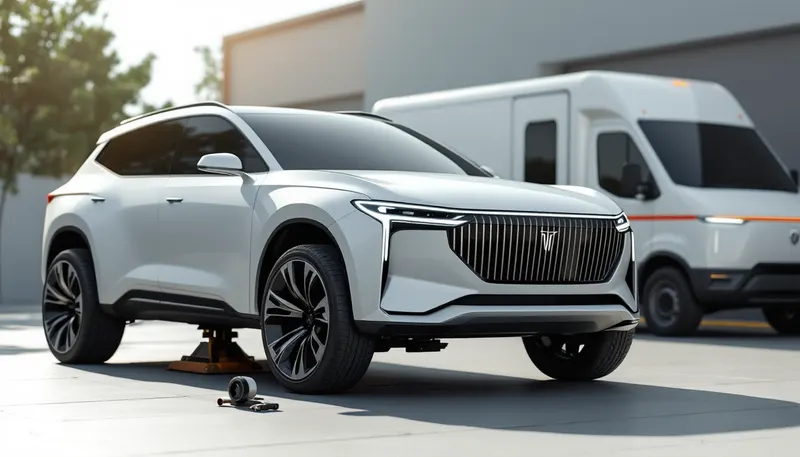
Pads, rotors and calipers fitted in your driveway
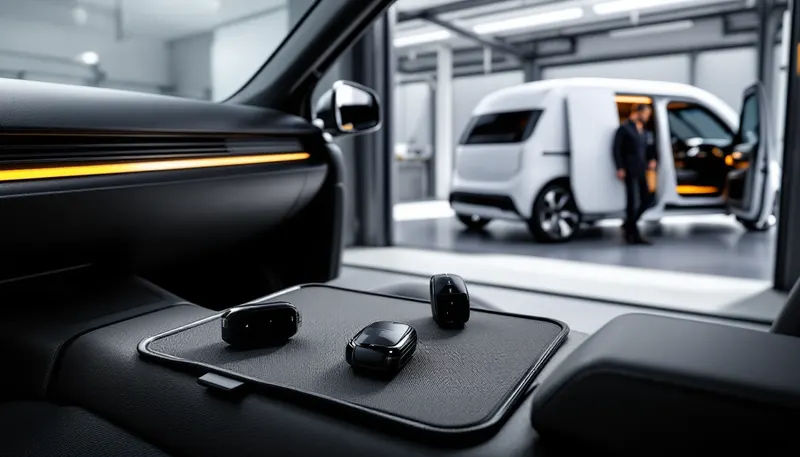
Keys and modules programmed where the vehicle sits
Book Pre-Purchase Inspection at the Seller at your location in Dallas
An independent inspection of a used vehicle at the seller's driveway or dealer lot before you pay: full-module scan, mechanical and body checks, a road test and a written photo report sent to your phone.