Grand Prairie is a long city, north to south, and the van enters it from the north. I-30 west from east Dallas through downtown reaches the Belt Line and SH-161 exits in twenty-five minutes outside the rush, and the entertainment district around the Epic, Lone Star Park and the outlet mall is right there. Central Grand Prairie and the Great Southwest industrial district are five minutes further down SH-161; the south side around Joe Pool Lake and the I-20 corridor is another ten.
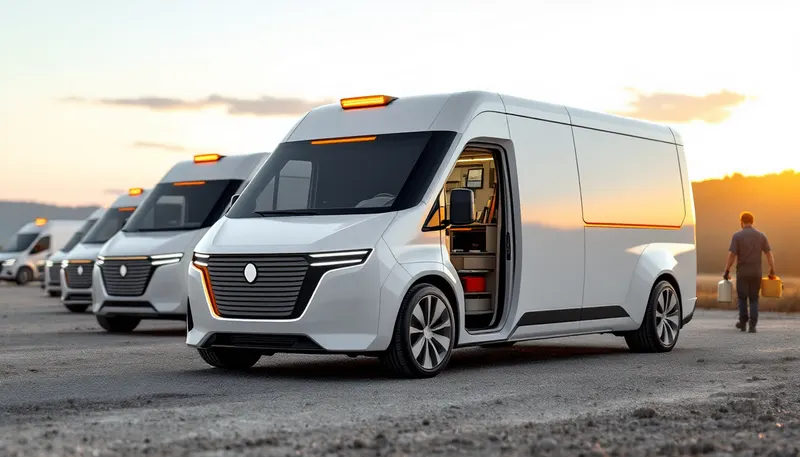
The Great Southwest district between SH-360 and SH-161 is one of the largest industrial parks in the country, and the businesses in it run vans, trucks and service vehicles by the hundred. Those are fleets whether or not they are called that: three or more vehicles in a yard make a fleet visit with the trip included, and a van that died at a loading dock is a no-start call that avoids a tow through Arlington traffic. The aerospace and defense employers on the west side add commuter lots full of vehicles that sit from seven to four.
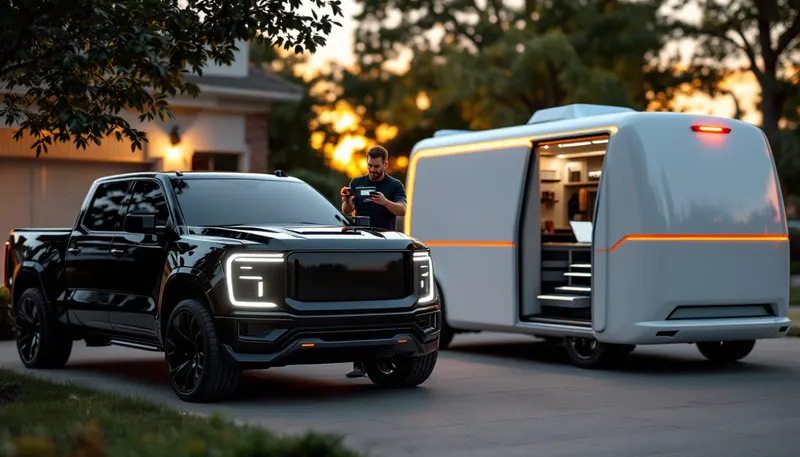
The residential north and center, between I-30 and the Trinity, along Carrier Parkway and the older streets off Main and Jefferson, are long-kept trucks and sedans in driveways, the Silverados, F-150s, Camrys and Accords of working households that cannot spare a day at a shop. South Grand Prairie, from the Mountain Creek side to the lake, is newer subdivisions with the three-row SUVs and full-size trucks of families who commute both directions on I-20 and SH-360.
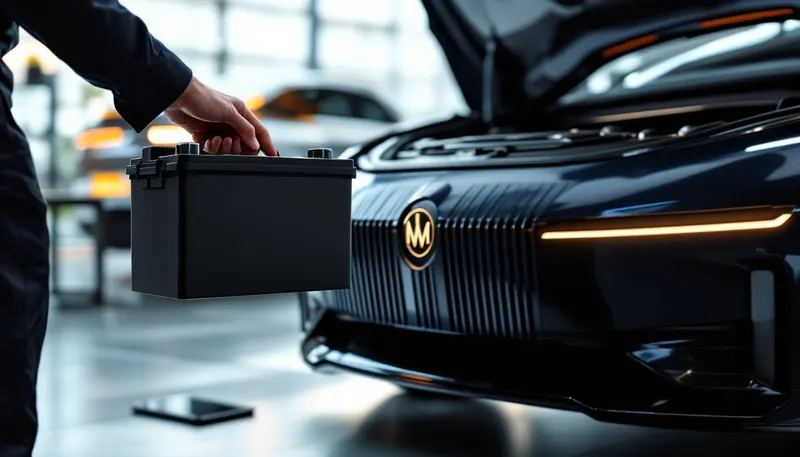
The entertainment district has a pattern of its own: vehicles left in the lots at the Epic, the outlets and the racetrack that will not start when their owners return, and the roadside and parking-lot calls that follow. The van works those lots, tests the battery and the charging system, and replaces what failed before the drive home.